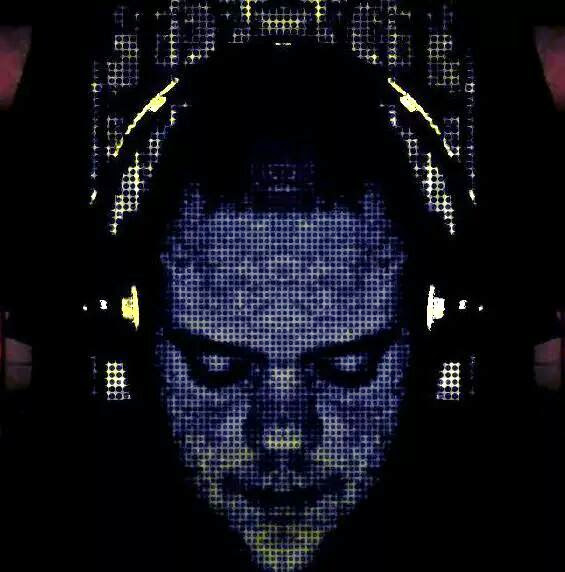
I am keeping this entry as part of an ongoing record: lived experience, spiritual inquiry, and the patient work of finding language for what moves between the visible and the unseen.
Briefing Document: Alex James Hislop’s Psychic Journey
Source: Excerpts from “The Alex James Hislop Story” Chapter 9: Going Crazy, published on https://alexjameshislop.wordpress.com/
Summary: This document reviews the main themes and key takeaways from Alex James Hislop’s account of his psychic journey as detailed in Chapter 9 of his writings. His experiences highlight the complexities of navigating the spiritual realm, particularly the challenges of discerning benevolent from malevolent forces, and the need for a more inclusive understanding of psychic phenomena within the medical and societal spheres.
Main Themes:
- Psychic Awakening & Malevolent Forces: Hislop recounts his initial excitement upon developing psychic abilities, specifically the ability to communicate with spirits. However, this phase was quickly overshadowed by the relentless attacks from what he perceived as negative spiritual entities. This distinction between psychic ability and external negative influences is crucial to his narrative, as it highlights the need for spiritual protection and discernment.
- “Coming to understand that the challenges and turmoil I faced were more closely linked to malevolent entities rather than the awakening of my psychic senses was a profound insight.”
- Misinterpretation by Medical Professionals: Hislop expresses frustration with the medical community’s inability to recognize and address the spiritual dimension of his experiences. He recounts being hospitalized multiple times, with doctors focusing solely on his mental state and attributing his experiences to psychological disorders. This highlights the limitations of current medical frameworks in understanding and treating psychic phenomena.
- “The misinterpretation by doctors regarding the source of my distress underscores a common misunderstanding within medical fields about psychic experiences and spiritual phenomena.”
- The Importance of Support Systems: The narrative emphasizes the isolation Hislop experienced due to the lack of understanding from family and medical professionals. He underscores the need for specialized support structures for psychics, particularly those facing negative spiritual encounters. The absence of such support amplifies the challenges of navigating these experiences and can lead to feelings of loneliness and isolation.
- “The challenges and revelations I was encountering on a spiritual level were complex and profound, extending beyond the realm of conventional understanding and comfort that my family or the doctors could offer.”
- God-Realization & Spiritual Evolution: Hislop’s journey is significantly shaped by the concept of “God-Realization,” introduced to him by a spiritual entity named Avazar. This understanding suggests the existence of multiple gods across various dimensions and the potential for physical humans to attain a god-like status through spiritual practices and moral living. This concept becomes a lens through which Hislop interprets his experiences and guides his spiritual development.
- “The concept of physical humans attaining a god-like status through practices like Heart Chakra Radiance (HCR) or through the cultivation of morality over many lifetimes is a fascinating perspective that touches upon the potential for spiritual evolution.”
- Discernment & Spiritual Warfare: Hislop details the constant struggle to differentiate genuine spiritual guidance from misleading or malevolent influences. He highlights the use of spiritual tools and techniques for protection, including visualization, energy purification, positive affirmations, and seeking guidance from benevolent spiritual beings. This ongoing “spiritual warfare” emphasizes the need for vigilance and discernment in navigating the spiritual realm.
- “These strategies represented my holistic defense mechanism, incorporating spiritual practices and practical self-care to navigate the presence of negative spiritual influences in my life.”
- The Power of Belief & Self-Perception: Hislop’s narrative demonstrates the profound impact of belief on his experiences. Doubting his sanity seemingly amplified negative experiences, while affirming his mental wellness and rejecting the label of “crazy” appeared to strengthen his spiritual support structures. This highlights the interconnectedness between mental and spiritual well-being and the power of self-perception in shaping one’s spiritual reality.
- “It was like the knowledge itself in deciding not to be crazy and not be considered crazy changed everything and helped in being sane and healthy.”
- The Role of Love: Throughout his trials, Hislop repeatedly emphasizes the importance of love as a guiding force and a source of strength. His profound experiences with love, particularly those that occurred before his periods of doubt, helped him reclaim his spiritual clarity and reaffirm his belief in the authenticity of his journey.
- “It was everything I experienced with love beforehand that pulled me out of that place.”
Key Takeaways:
- Psychic experiences can be complex and challenging, demanding careful discernment and spiritual protection.
- Traditional medical frameworks often fail to address the spiritual dimensions of psychic phenomena, leading to misdiagnosis and inadequate support.
- Specialized support systems for psychics are crucial for navigating these experiences and mitigating feelings of isolation.
- The concept of God-Realization and the potential for spiritual evolution significantly influence Hislop’s understanding and interpretation of his journey.
- Hislop’s experiences highlight the constant “spiritual warfare” between positive and negative forces, emphasizing the importance of spiritual tools and techniques for protection and discernment.
- Self-perception and belief play a crucial role in shaping one’s spiritual reality, impacting the support structures and experiences one encounters.
- Love serves as a guiding force and a source of strength, enabling Hislop to reclaim his spiritual clarity and reaffirm his belief in his journey.
Overall Impression:
Hislop’s account provides a compelling and deeply personal glimpse into the complexities of navigating a psychic awakening, particularly in a world where such experiences are often misunderstood and marginalized. His story underscores the need for greater understanding and acceptance of psychic phenomena within society, the development of specialized support systems, and a more holistic approach to mental health care that incorporates the spiritual dimension of human experience.